Physical Address
304 North Cardinal St.
Dorchester Center, MA 02124
Physical Address
304 North Cardinal St.
Dorchester Center, MA 02124
The province the Diputación calls 'the month of the esteros'. Sherry Week 2–8 November, the warmest nights in Andalucía, and why Tosantos is probably an October event in 2026.
The Diputación de Cádiz has a name for November: el mes de los esteros, the month of the tidal fish ponds. Once a year the old salt-pan ponds around the bay are drained and the sea bass, sea bream, sole and prawns that grew in them all summer are taken out of the mud by hand. It happens in autumn or it does not happen at all.
Put that alongside Sherry Week in the first week, the new wine being classified in the Jerez bodegas, and the first zambombas starting on 21 November, and Cádiz has the strongest claim of any Andalusian province to being a November destination. It also has the warmest nights in the region — 13.4°C, nine degrees above Granada’s — which is exactly what you want when the eating is outdoors.
Cádiz city averages 19.6°C by day and 13.4°C at night in November, with 98mm of rain across 7.2 rain days and 1.7 thunderstorm days. Jerez, forty minutes inland, averages 20.2°C by day but only 9.5°C at night, with 96mm across 6.9 days. Those are AEMET’s 1981–2010 normals.
The city figure is the interesting one. 13.4°C at night is the warmest November minimum of any Andalusian capital, and it is the Atlantic doing it — Cádiz sits on a spit almost surrounded by water, which smooths everything out. The cost is that it is also the wettest capital for rain days at 7.2 and the thundriest in the region. Mild, breezy and often grey, and worth it.
The Cádiz–Jerez gap is worth planning around. Four degrees at night over forty kilometres means an evening in the old city and an evening in a Jerez courtyard are not the same proposition. Jerez is the warmer day and the colder night.
The rain record here is unusual: Cádiz’s wettest single November day (87mm) is less than its monthly average, so the rain genuinely spreads out rather than arriving all at once. The levante, the easterly wind, is what will actually disrupt your plans — it makes the coast from Conil to Tarifa unusable on its day, whatever the temperature says.
The first week, without much hesitation. Sherry Week runs 2–8 November, World Wine Tourism Day falls on Sunday the 8th, and the province is at its most organised. The All Saints long weekend (Saturday 31 October to Monday 2 November — the holiday moves to the Monday because the 1st is a Sunday) sits right at the start of it, so book early.
The third week is the alternative if you want the zambombas instead. The official season opens on Saturday 21 November in Jerez and the Christmas lights go on around the same time.
One absence worth noting: no municipality anywhere in Cádiz province takes a local holiday in November 2026. Of the eight provinces, this is the only one with a clean sheet.
Tosantos is probably not a November event in 2026. Cádiz’s famous market tradition — the stalls of the Mercado Central dressed up, with fish and vegetables built into satirical tableaux of sunbathers at La Caleta or recognisable local councillors — is routinely listed as a November fixture. But the provincial tourist board’s own framing is “the Monday before All Saints,” which in 2026 is 26 October, and the Ayuntamiento’s own description says it happens “in the days before 31 October.” Either way it lands on the October side of the calendar. The city had not published its 2026 programme when this was written, and we are not going to guess. If Tosantos is why you are coming, come at the end of October.
A second local trap: thrush season opens a month early on the Cádiz coast, on 18 October, against 15 November everywhere else in Andalucía. If you have read the regional date, it does not apply here.
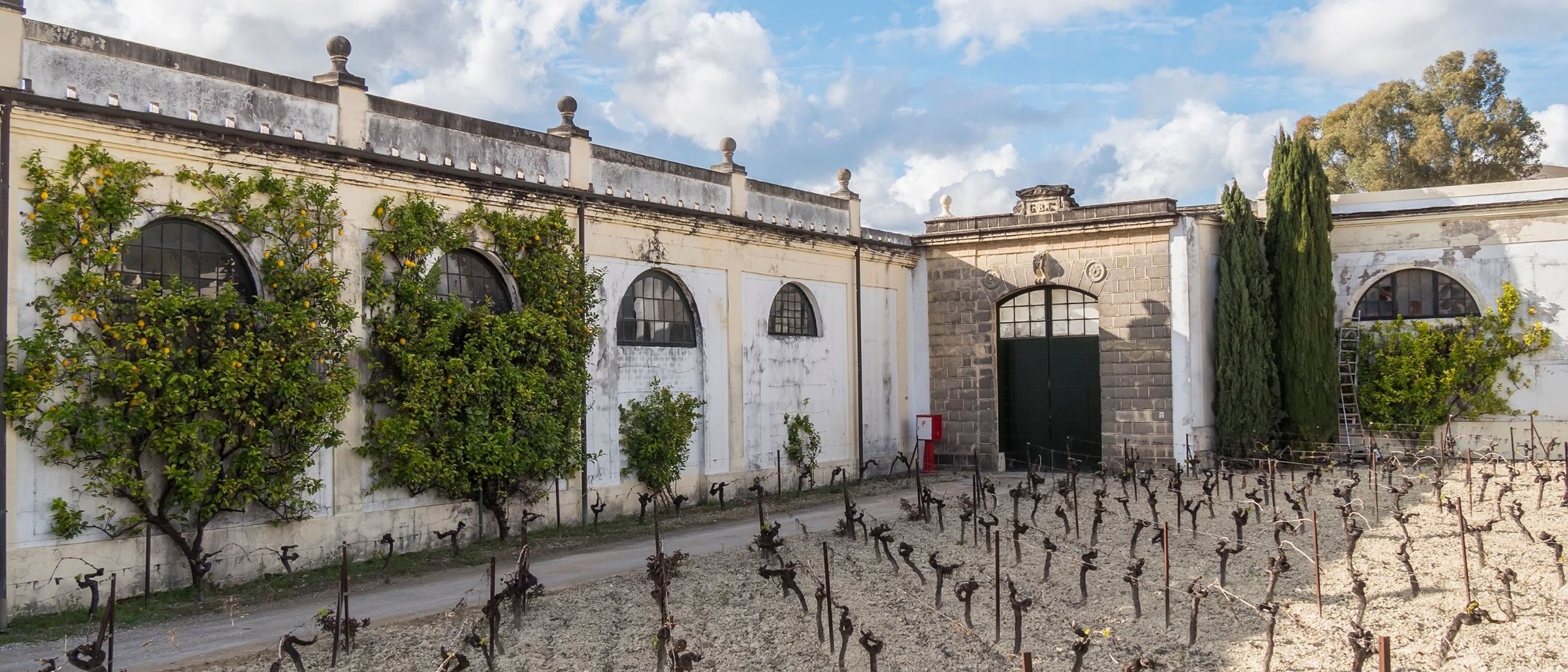
In the sherry triangle, November is when the year’s decisions get made. The mosto from September’s harvest is classified in the bodega — the judgement that sends a butt down the fino road or the palo cortado road or the oloroso road — which is precisely why Sherry Week sits in this month and not another. In Trebujena and Chiclana the year’s new wine is poured in the cooperative bodegas and the tabancos, and Jerez is carrying the Spanish Gastronomy Capital title through 2026, which has put money into the programme.
Around the bay the esteros are being let down and harvested. In the Sierra de Cádiz it is chestnuts and mushrooms, and in Los Alcornocales the Iberian pigs are out under the cork and holm oaks for the montanera — by law they must be in the woods between 1 October and 15 December, and none can be slaughtered before the 15th, so November is the month the whole thing is running at full stretch.
The Atlantic beach economy from Conil to Tarifa, meanwhile, shuts almost completely. What opens is the sierra, the bodegas and the markets — the better half of this province anyway. All Saints eating is specific and local: huesos de santo and buñuelos in San Fernando, borrachuelos and gañotes in Ubrique, piñonate in Benalup-Casas Viejas, almond cajillas in Tarifa, and chestnut and mushroom dishes through the sierra. The cemetery visit is the backbone of the weekend everywhere.
Not the coast. The Atlantic beaches are the province’s summer argument and November removes it. The sherry triangle is the answer instead — Jerez, El Puerto and Sanlúcar, with the bay towns for the esteros — and the sierra is better walking now than in any summer month. Cádiz city itself is worth two or three days for the old town and the markets, with the mildest nights you will find anywhere in the region.
Go to a despesque. The estero is drained once a year, the fish are taken out by hand, and then they are cooked on the spot — usually grilled over vine shoots, with the salt from the same pans. It is a working harvest that has been opened up to visitors rather than an event invented for them, and the provincial government has effectively named the month after it.
The reason it has to be November is mechanical: in summer the ponds are stocked and growing, by winter they are empty. And the reason this is the best eating month in the province is the overlap — Sherry Week, the new mosto being classified, mushrooms and chestnuts out of the sierra, and the zambombas starting before the month is out. Nowhere else in Andalucía stacks four seasonal things into four weeks. Watch for the 2026 town dates; they are usually announced a few weeks ahead.
For food, wine and the sierra, it is the best month of the year here. For beaches it is the wrong month entirely. The nights are the mildest in Andalucía and the rain is the most frequent, which is a fair summary of the Atlantic coast in autumn.
It is a distributed programme rather than a single ticketed festival — individual bodegas, bars and restaurants run their own tastings and events across the week. Check the Consejo Regulador’s own listings and book the bodega visits you care about, because the good ones fill.
In November, not December, which surprises people. Jerez’s licensed season opens on Saturday 21 November 2026, with the 28th the second permitted date, and runs through to Christmas.
Weather: AEMET, Valores climatológicos normales 1981–2010, Cádiz and Jerez de la Frontera Aeropuerto. Sherry Week: the official Sherry Week programme and Ayuntamiento de Jerez. Events calendar: Patronato Provincial de Turismo de Cádiz. Zambombas: Ayuntamiento de Jerez, urbanismo. Christmas lights: Ayuntamiento de Cádiz. Tosantos: Ayuntamiento de Cádiz and the Patronato Provincial. Esteros and despesque: Diputación de Cádiz. Local holidays: BOJA no. 197. Hunting periods: Junta de Andalucía 2026/27 season. Montanera rules: Real Decreto 4/2014, article 6.